Masterclass Droneshots
Masterclass Droneshots
Explore our drone camera capabilities
Tilt Shot
In a Tilt Shot, the drone remains stationary while the camera (gimbal) rotates vertically up or down. A ‘Tilt Up’ creates a grand effect: starting at ground level, it slowly reveals an imposing building or a vast landscape, evoking a sense of wonder and scale. Conversely, a ‘Tilt Down’ feels grounding and intimate, guiding the viewer from the sky back down to a specific subject on the ground.
Palace Het Loo – Apeldoorn

Dutch Angle Shot
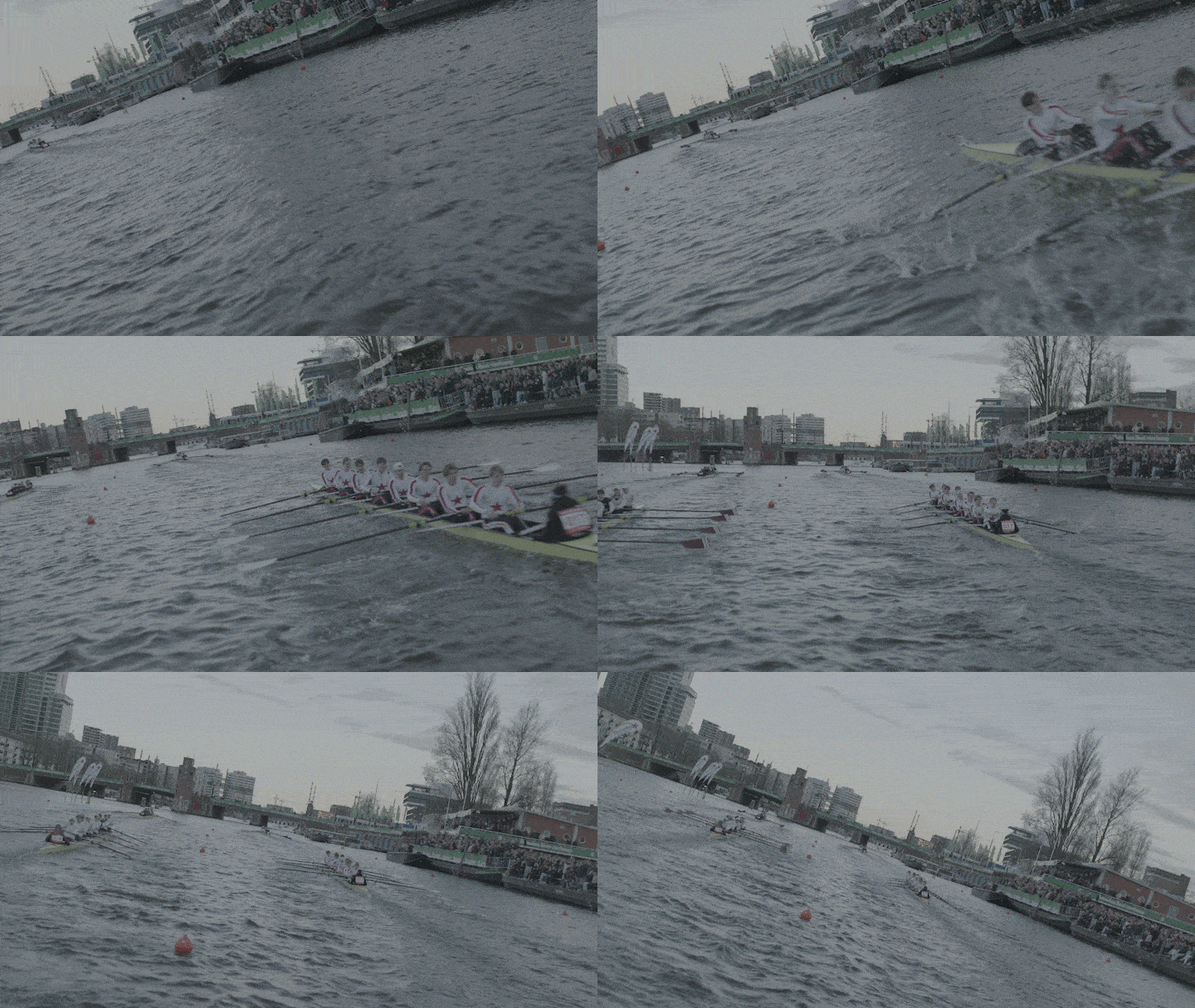
With a Dutch Angle shot, you deliberately tilt the horizon. While the gimbal normally keeps the horizon level, this shot creates a flying sensation similar to a plane or bird banking sharply through a turn. It gives the viewer a sense of speed, action, and disorientation. Due to this disorienting effect, the shot is also frequently used in horror films. It is less static than a standard shot and adds immediate energy and tension to your video, making it perfect for action scenes.
The Amstelriver – Amsterdam
Zoom Shot
While many drones feature fixed lenses, more advanced models (or digital zoom) allow for a Zoom Shot. In this shot, the drone remains stationary while the lens brings the subject closer. Executing this technically requires a steady hand. The unique effect of zooming is ‘compression’: the background appears to be pressed closer to the foreground. This provides a very different, often more cinematic feel than simply flying closer. It is used to forcefully direct the viewer’s attention to a specific detail without disturbing the physical environment.
Katendrecht – Rotterdam

Pan Shot
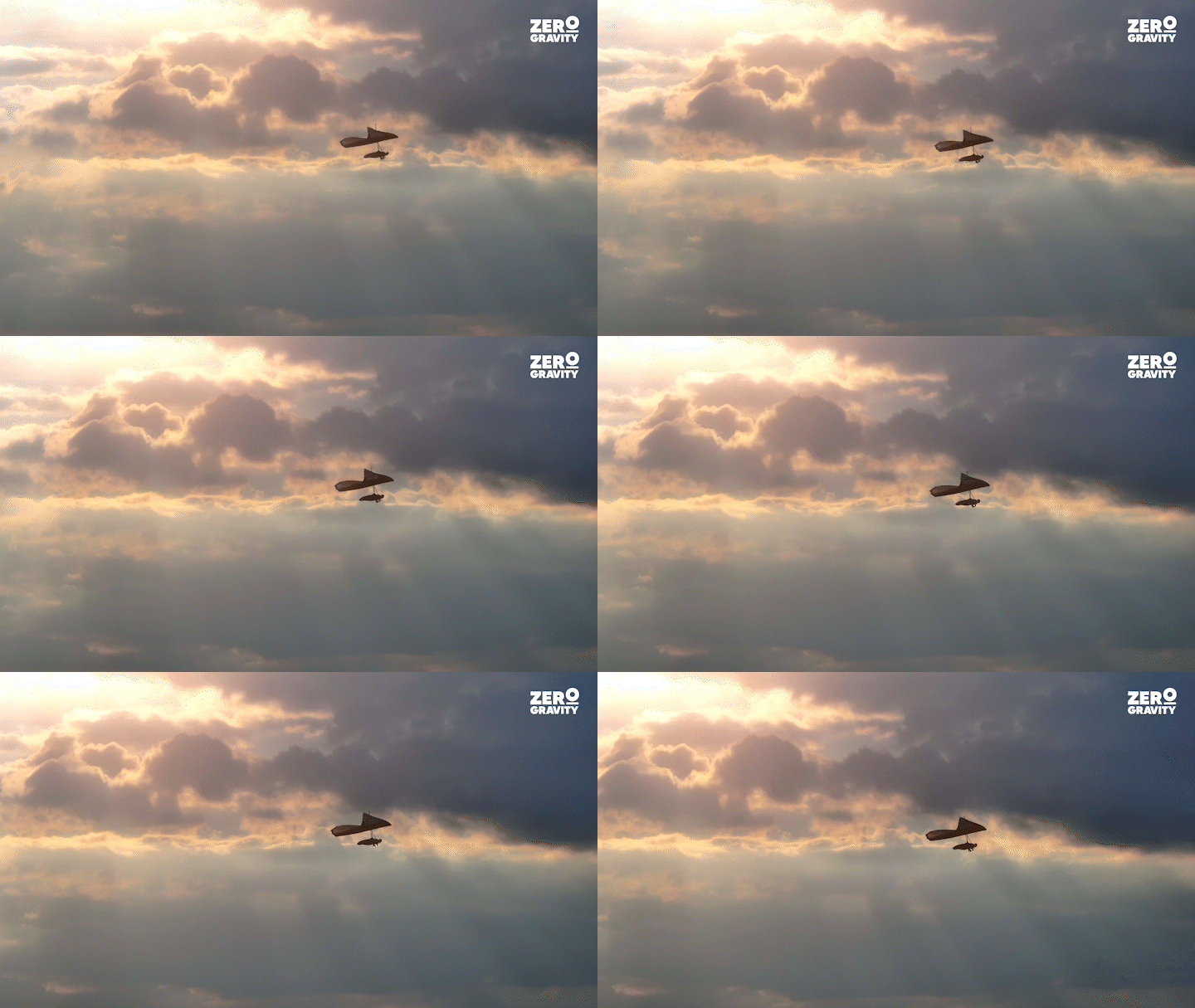
A Pan Shot is the classic way to look around. The drone (usually) hovers in one spot while its nose rotates slowly to the left or right (yaw). It is essential to execute this movement slowly and consistently to prevent jerky footage. The effect is similar to someone turning their head to take in their surroundings. Use this as an ‘establishing shot’ to show the viewer where the video takes place. It provides overview and context, connecting different elements in the landscape in one fluid motion. This shot can also be used to track a vehicle or object.
Voss – Norway
Backward Shot (Pull-back)
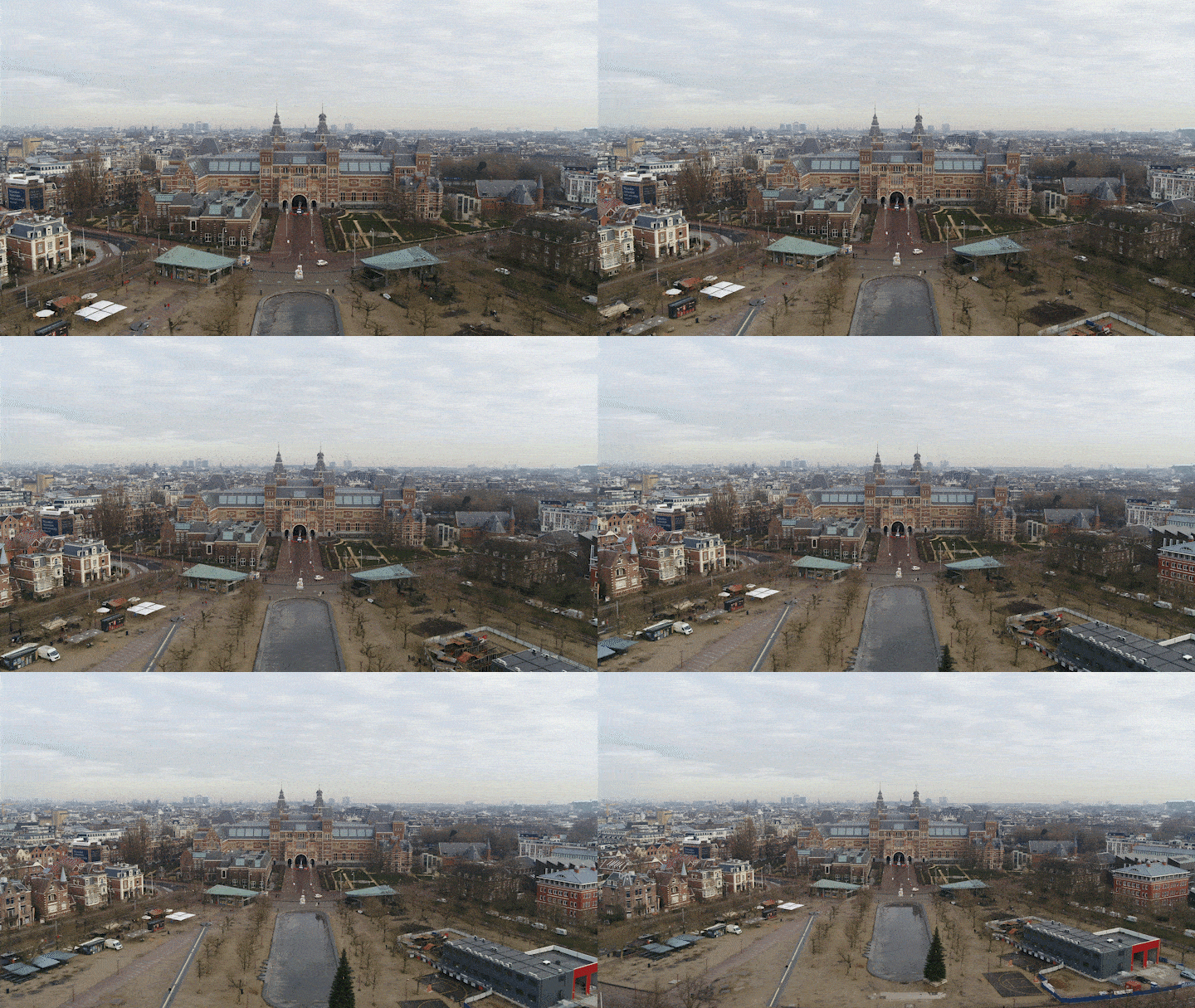
Sometimes flying backward is more powerful than moving forward. With a Backward Shot, you start close to your subject and fly in a straight line in reverse. This requires you to be certain that the flight path behind you is clear of obstacles. The effect is one of ‘revelation’ or ‘farewell.’ You begin intimately and small, and as the drone retreats, you reveal the vast environment surrounding the subject. This shot works perfectly as a conclusion to a scene or video, as it literally allows the viewer to step back from the story and creates a sense of calm.
Museum square – Amsterdam
Forward (Flyover) Shot
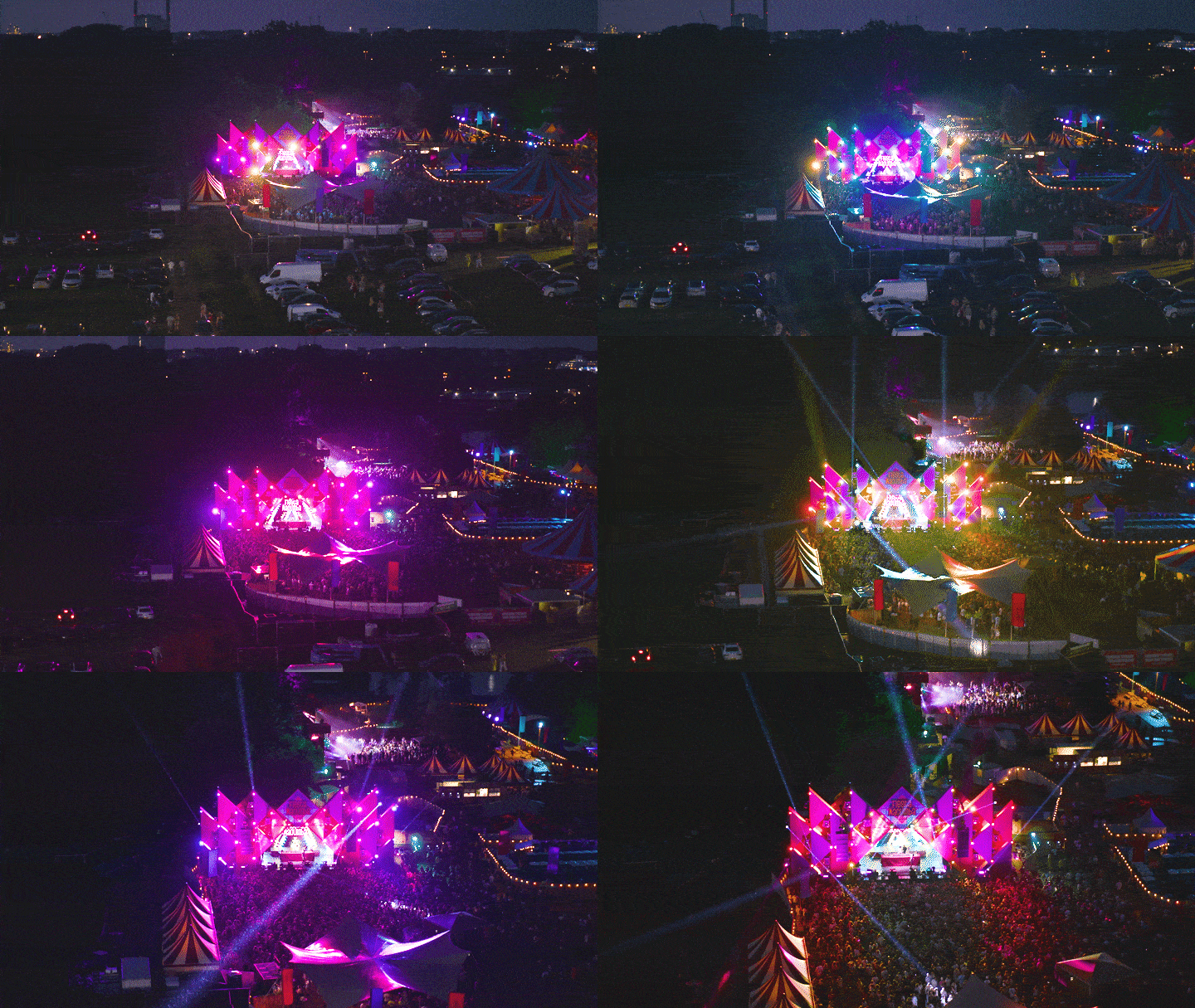
This is the most natural movement for a drone: simply flying forward. Often combined with a bird’s-eye view (camera tilted down or looking straight down), you gently push the right stick forward and maintain a constant speed. The sensation this shot evokes is one of ‘travel’ and ‘discovery.’ The viewer feels like a bird gliding over the landscape. When flown over textures such as forests, water, or cities, it creates a mesmerizing pattern. It is an immersive experience that emphasizes the scale of the landscape and takes the viewer on an adventure.
Festival Macumba – Spaarnwoude
Slider Shot
In a Slider Shot, also known as ‘Trucking,’ the drone moves sideways (to the left or right) while the camera remains facing forward. You achieve this by moving the right stick laterally. This shot is extremely effective for tracking objects moving parallel to the drone, such as a car or a cyclist. The effect is quite different from a Pan; because the drone’s physical position changes, the perspective of the foreground relative to the background shifts continuously. This creates depth and a highly professional, cinematic look.
Voss – Norway


Rocket Shot
As the name suggests, a Rocket Shot mimics the launch of a rocket. The camera points straight down (90 degrees), and the drone ascends rapidly in a straight vertical line. You execute this by pushing the left stick (throttle) upward. The effect is a dramatic and fast reveal of the surroundings. The subject on the ground quickly shrinks and disappears into the larger context of the map-like environment. This shot works great for showcasing patterns in architecture or landscapes and adds an energetic ‘lift-off’ feel to your edit.
Waal-harbour – Rotterdam
The Corkscrew (Helix)
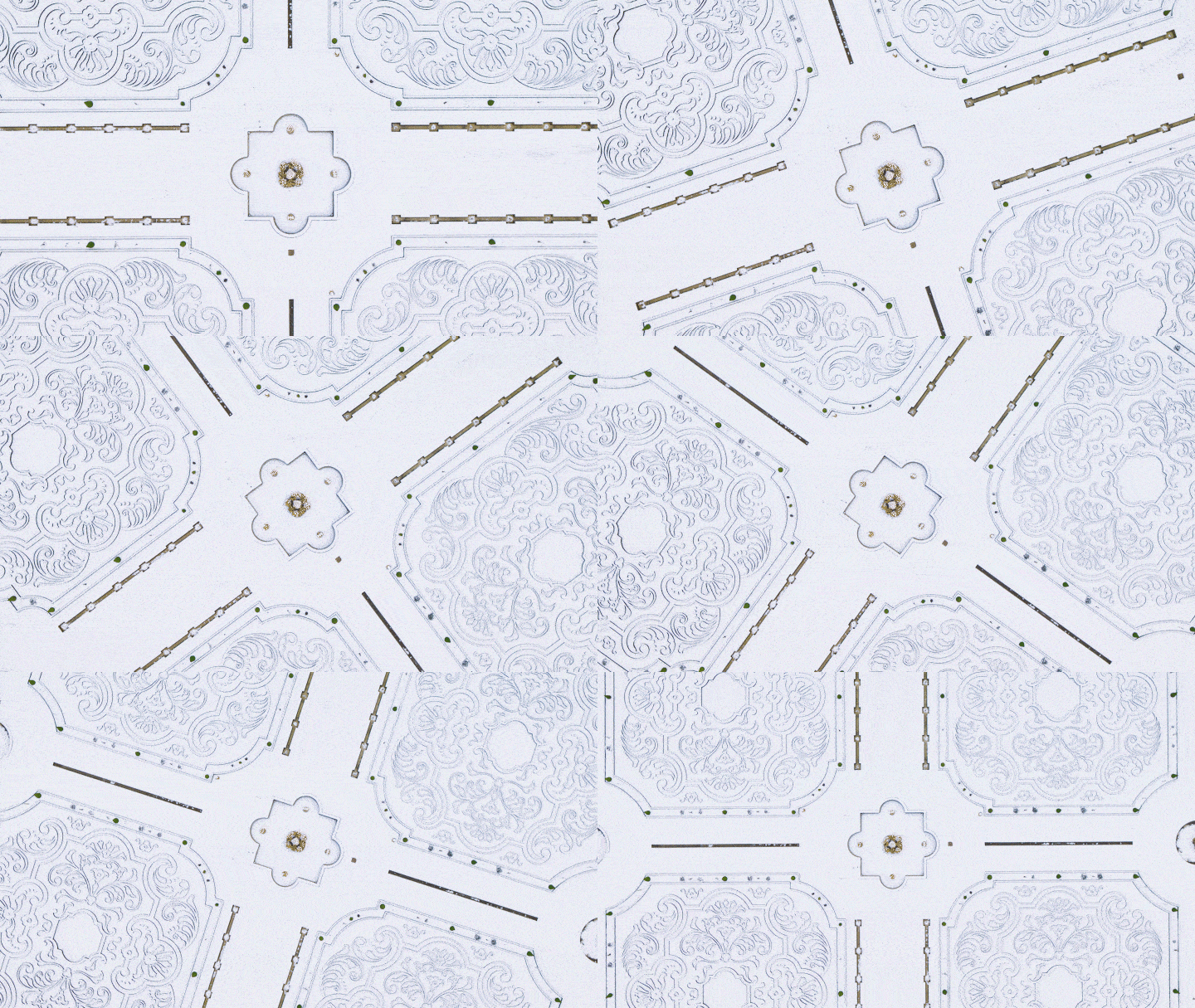
The Corkscrew or Helix is a complex yet visually stunning movement. It combines an upward motion with a rotation (yaw), while the camera remains pointed down at the center point. Essentially, you fly upward in a spiral around your subject. Coordinating all axes smoothly requires practice. The effect is disorienting but magical; the world appears to spin around the subject. It is a technical feat that makes an immediate impression and is perfect for showcasing tall objects such as towers, statues, or lighthouses.
Palace Het Loo – Apeldoorn
Orbital Shot (Point of Interest)
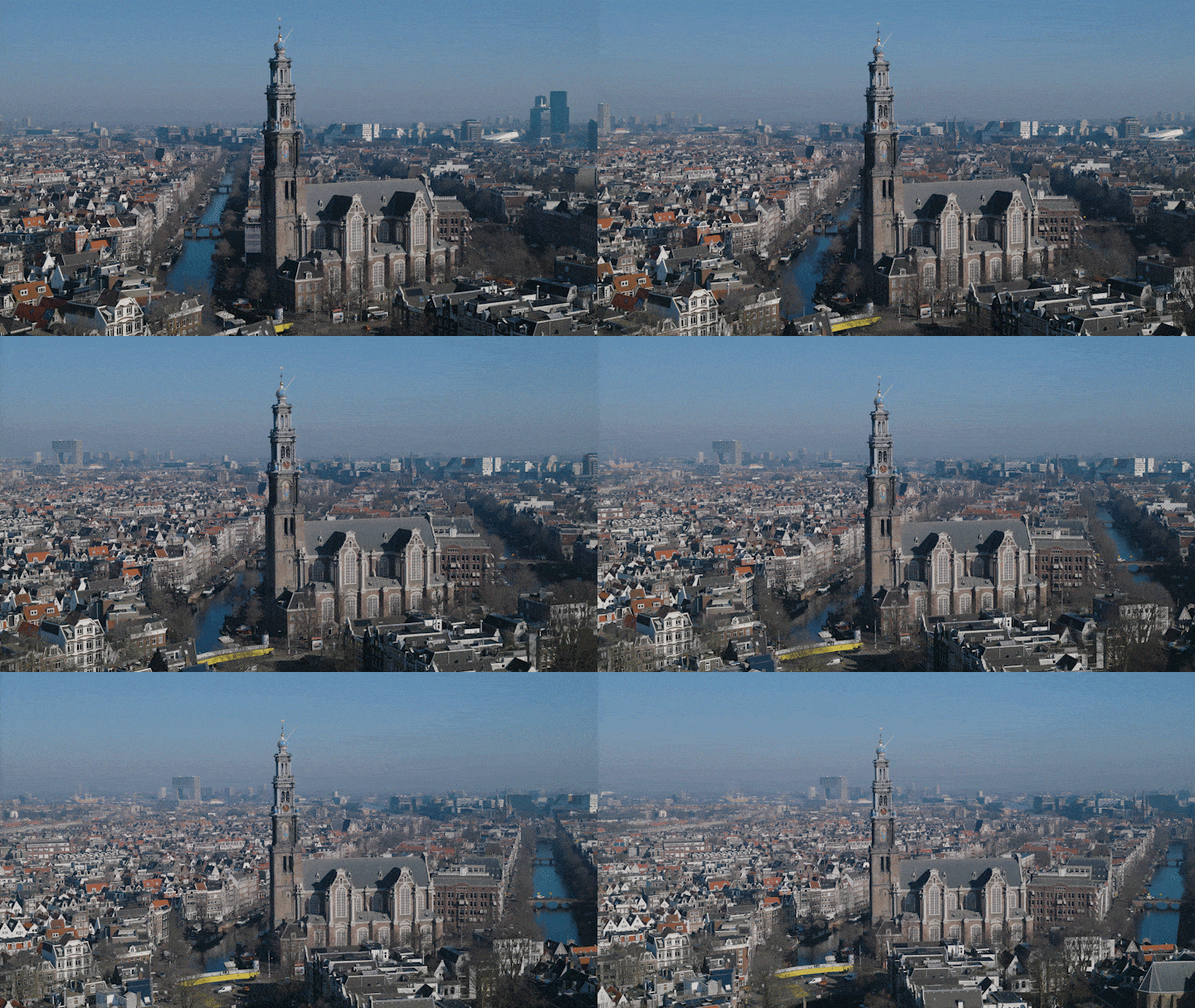
In an Orbital Shot, the drone circles perfectly around a stationary object. You combine a sideways movement (roll) with an opposing rotation (yaw). If you fly to the right, you slowly rotate the nose to the left to keep the subject centered. Modern drones can often perform this automatically. The effect is highly cinematic; it showcases the subject from all angles and literally places it at the center of attention. It creates a 3D sensation and emphasizes either the isolation or the specific positioning of the subject within its environment.
Wester-church – Amsterdam
Birds-eye Shot (Top-Down)
While similar to the ‘Forward Shot,’ the specific Bird’s-eye or Top-Down shot is strictly defined by its camera angle: 90 degrees straight down. Whether flying forward, backward, or sideways, the camera looks perpendicular to the earth. This transforms the world into a flat map or an abstract work of art. Elevation changes disappear, and patterns, lines, and colors become dominant. This shot evokes a sense of abstraction and order. It is ideal for showcasing symmetry in landscapes, road networks, or ocean waves in a way that is impossible to perceive from the ground.
Voss – Norway

Static Shot
Sometimes the best movement is no movement at all. In a Static Shot, the drone hovers in the air like a tripod, motionless in a single position. This sounds simple, but it requires a drone that handles wind well or a pilot who can correct for it perfectly. The power of this shot lies in its stillness. Instead of moving the camera, you let the movement within the frame do the work: passing traffic, flowing water, or swaying trees. It gives the viewer time to truly take in the composition, much like classical photography.
The Bulb region – Netherlands
Dronie Shot
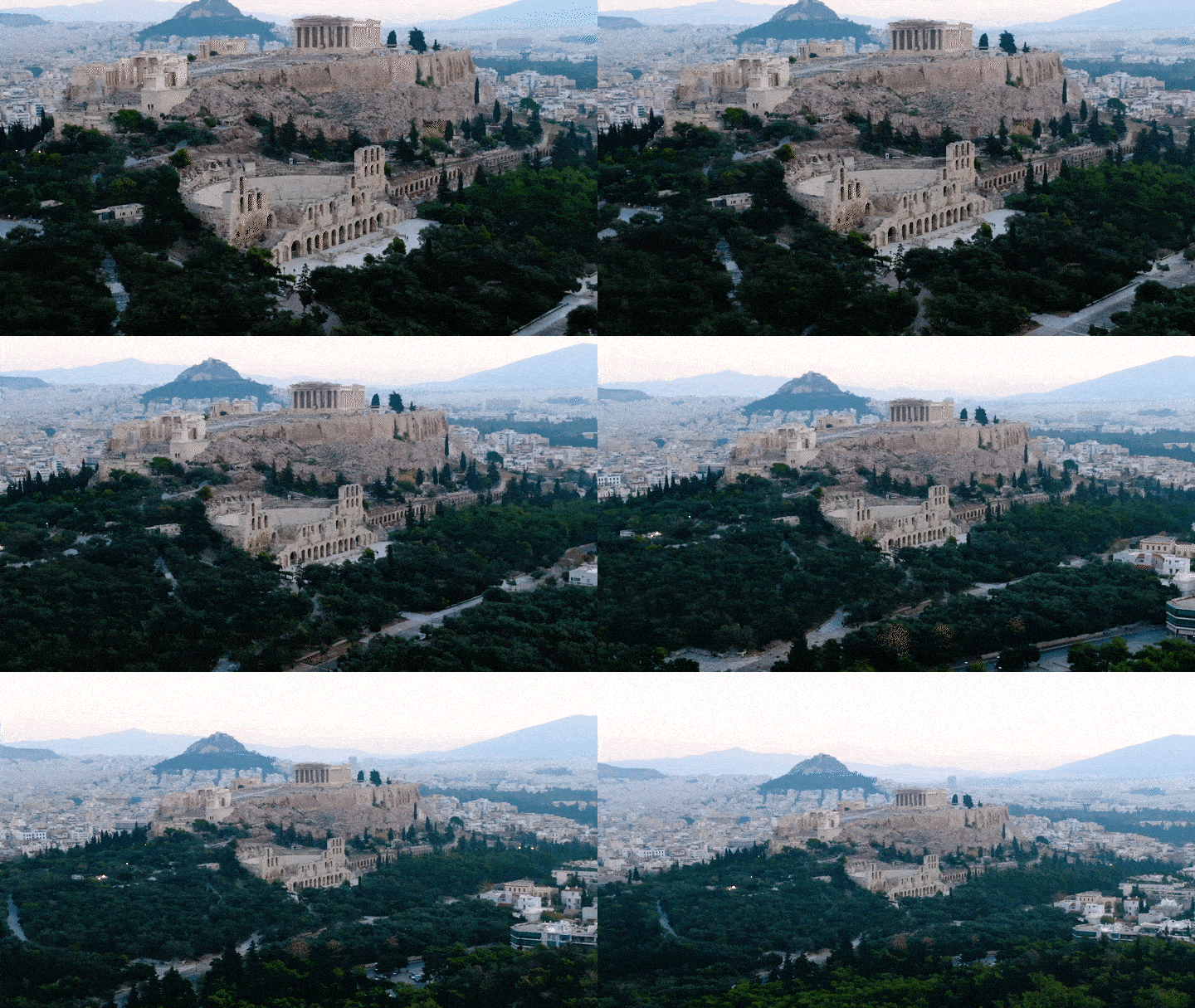
The Dronie is the modern classic for social media: a ‘selfie’ taken with a drone. The camera starts close to you (or the subject) and then simultaneously flies backward and upward, while the gimbal sometimes tilts down slightly to keep the subject in frame. It is a hybrid movement that combines intimacy with grandeur. The effect places the subject within the context of their environment. It says: ‘Look where I am.’ It is a playful, personal way to introduce a location.
Acropolis – Athenes
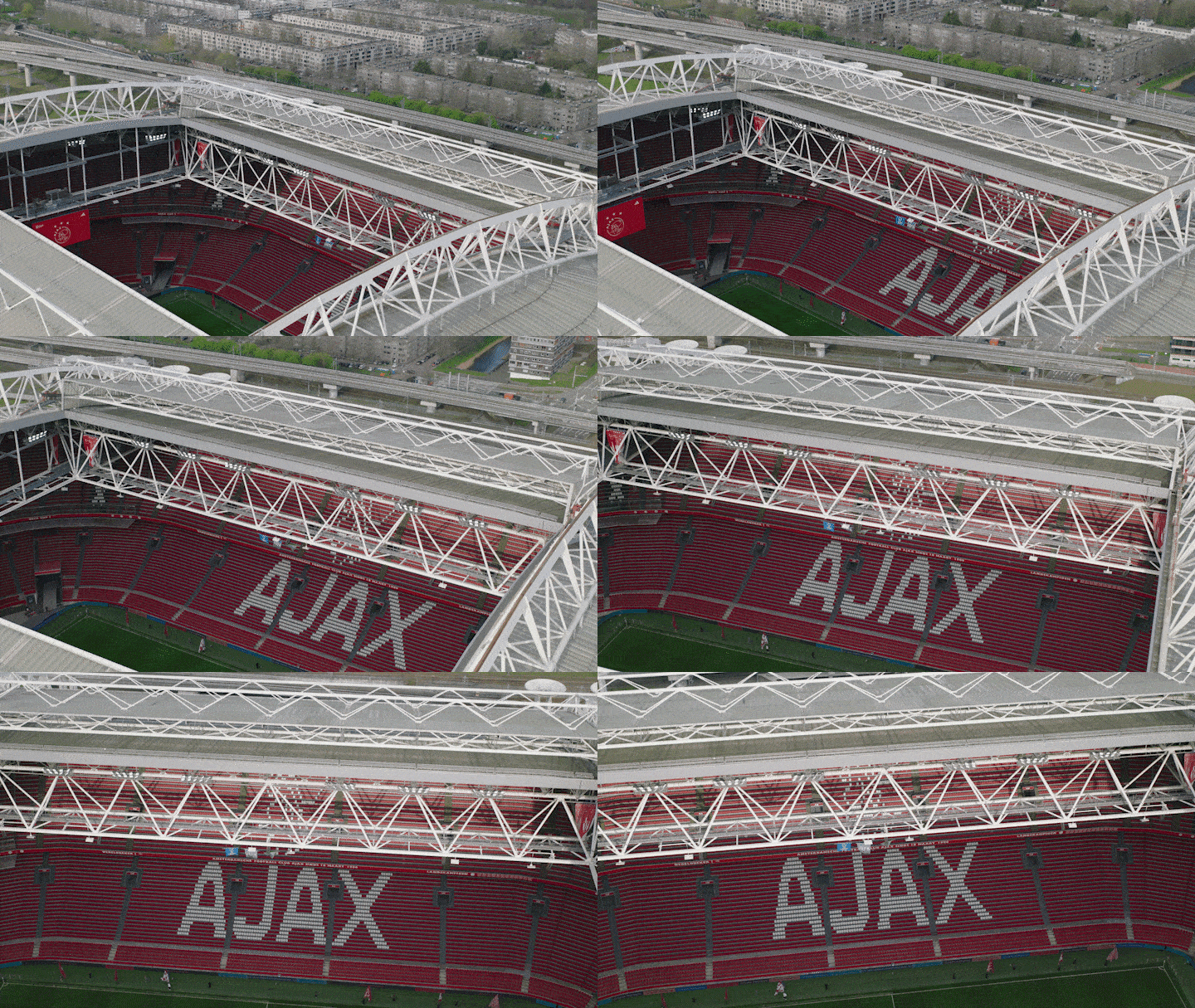
Dynamic Pan-Tilt Shot
For the advanced pilot, there is the Dynamic Pan-Tilt shot. This involves combining flight movements (roll, pitch, and throttle) with simultaneous camera movements (pan and tilt). For example, you might fly over a mountain ridge while slowly tilting the camera down and panning sideways to reveal a valley. This requires immense dexterity and coordination. The effect is extremely fluid and organic; it mimics the complex gaze of the human eye or a helicopter shot from a Hollywood blockbuster. It brings a story to life and connects different perspectives in one seamless flow.
ArenA – Amsterdam
Dolly Zoom Shot (Vertigo Effect)
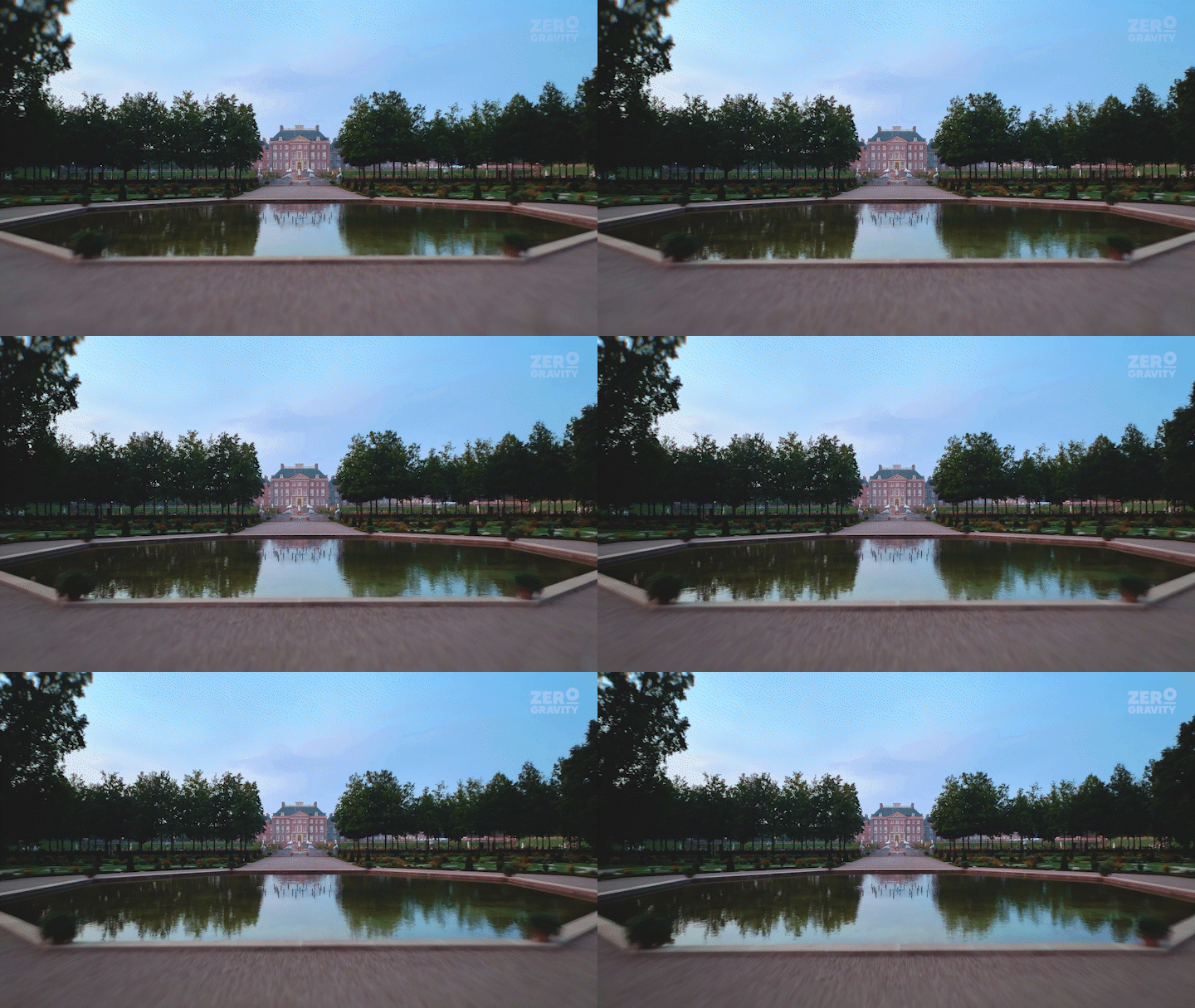
The Dolly Zoom is one of the most psychedelic effects in cinema, made famous by Alfred Hitchcock. With a drone, you execute this by flying backward while digitally or optically zooming in (or vice versa: flying forward while zooming out). The speed of the drone and the zoom must be perfectly synchronized so that the subject remains the same size in the frame. The effect is disorienting and intense: the background appears to suddenly rush toward or fall away from the viewer, while the subject remains unchanged. This creates a sense of tension, vertigo, or a sudden realization.
Palace Het Loo – Apeldoorn
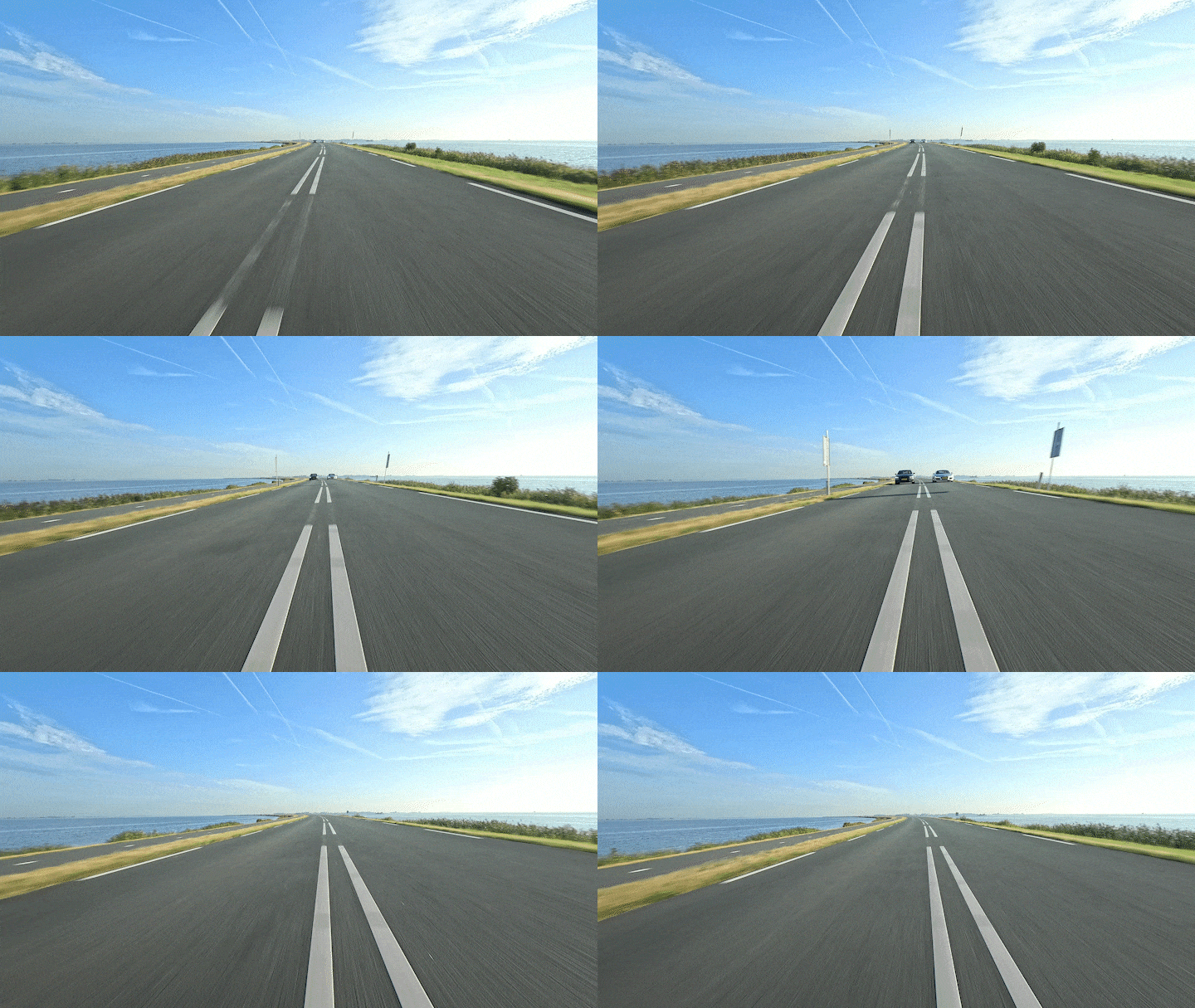
Race Shot (FPV)
Exclusive to the realm of FPV (First Person View) is the Race Shot. In this shot, the drone flies at high speed, often close to the ground and through various obstacles like gates or trees. The camera is tilted upward at a fixed angle to compensate for the drone’s forward pitch. The viewer experiences pure adrenaline and speed; the sensation is akin to a video game or a cockpit experience. There is no stabilization to keep the horizon level; you lean into every turn. This shot is used to demonstrate action, competition, and the raw speed of the drone.
Seadyke – Marken
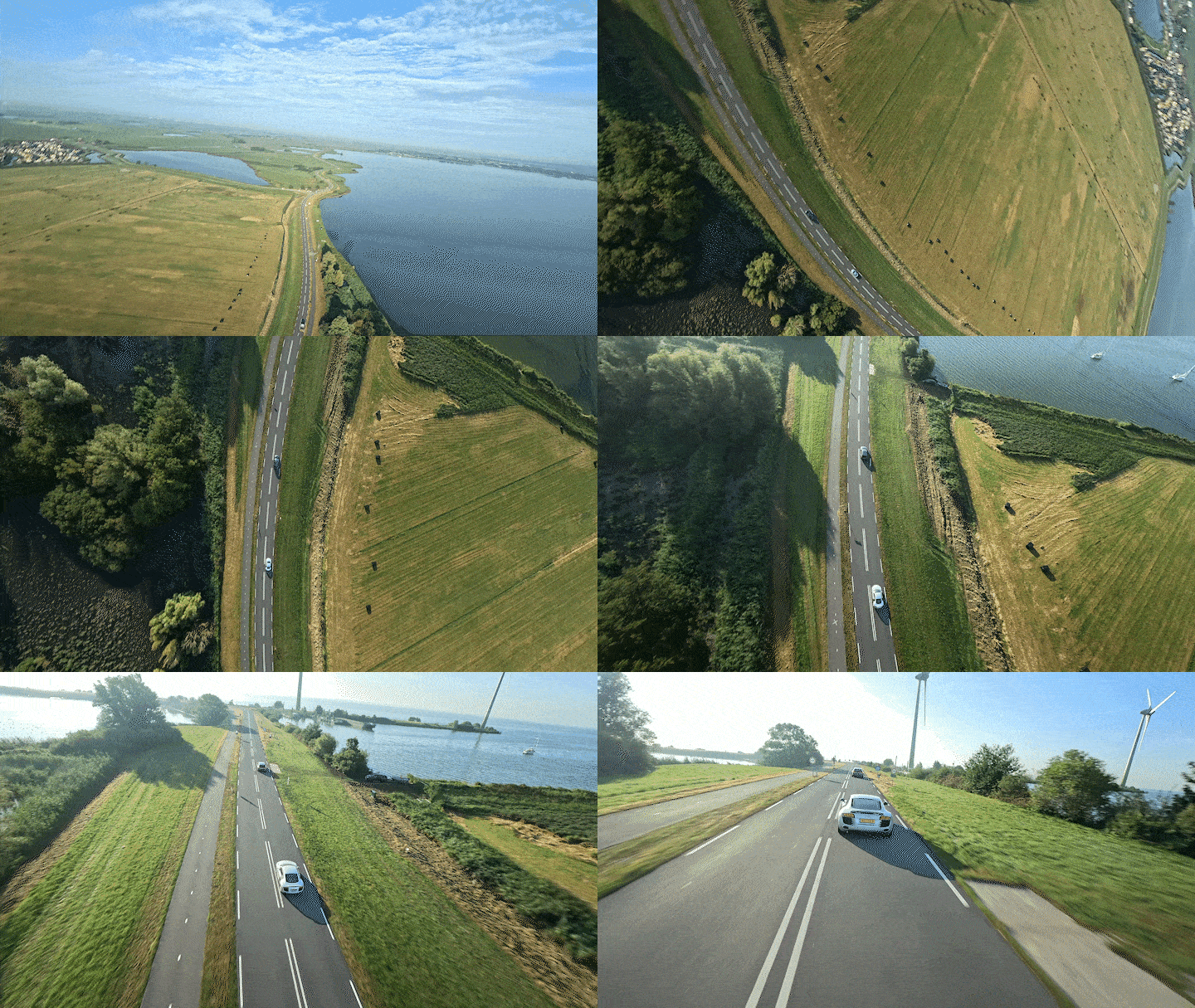
Acrobatic Shot (Freestyle)
This too is the domain of the FPV pilot. In an Acrobatic Shot, the focus is not on the surroundings, but on the movement itself. The pilot executes loops, rolls, and dives where the drone—and consequently the camera—flips completely upside down. The ‘horizon’ ceases to exist. For the viewer, this is a roller coaster ride; it evokes feelings of freedom, chaos, and technical mastery. It is frequently used in edits to showcase the pilot’s skill and to add a ‘wow factor’ that is impossible to achieve with standard drones.
Seadyke – Marken
Reveal Shot
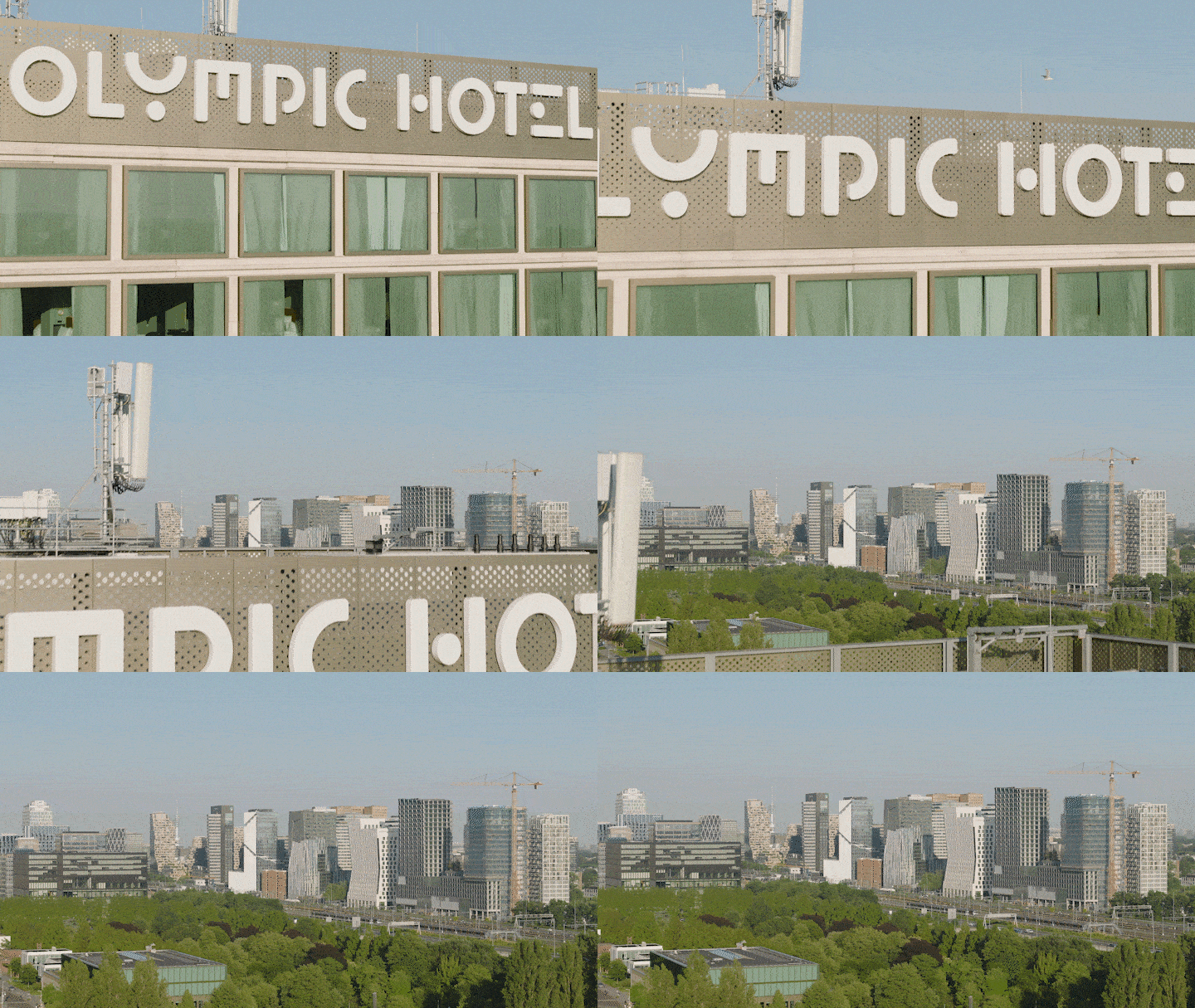
The Reveal Shot is a technique centered on storytelling. You use a foreground element—such as a wall, a tree, or a hill—to hide the actual subject. By moving the drone past or over this obstacle, you ‘reveal’ the scene. This creates a moment of surprise and curiosity; the viewer wonders what lies behind the obstruction, and the payoff follows immediately. It is a powerful tool for introducing a new location or marking a turning point in your visual narrative.
Olympic hotel – Amsterdam South
Parallax Shot
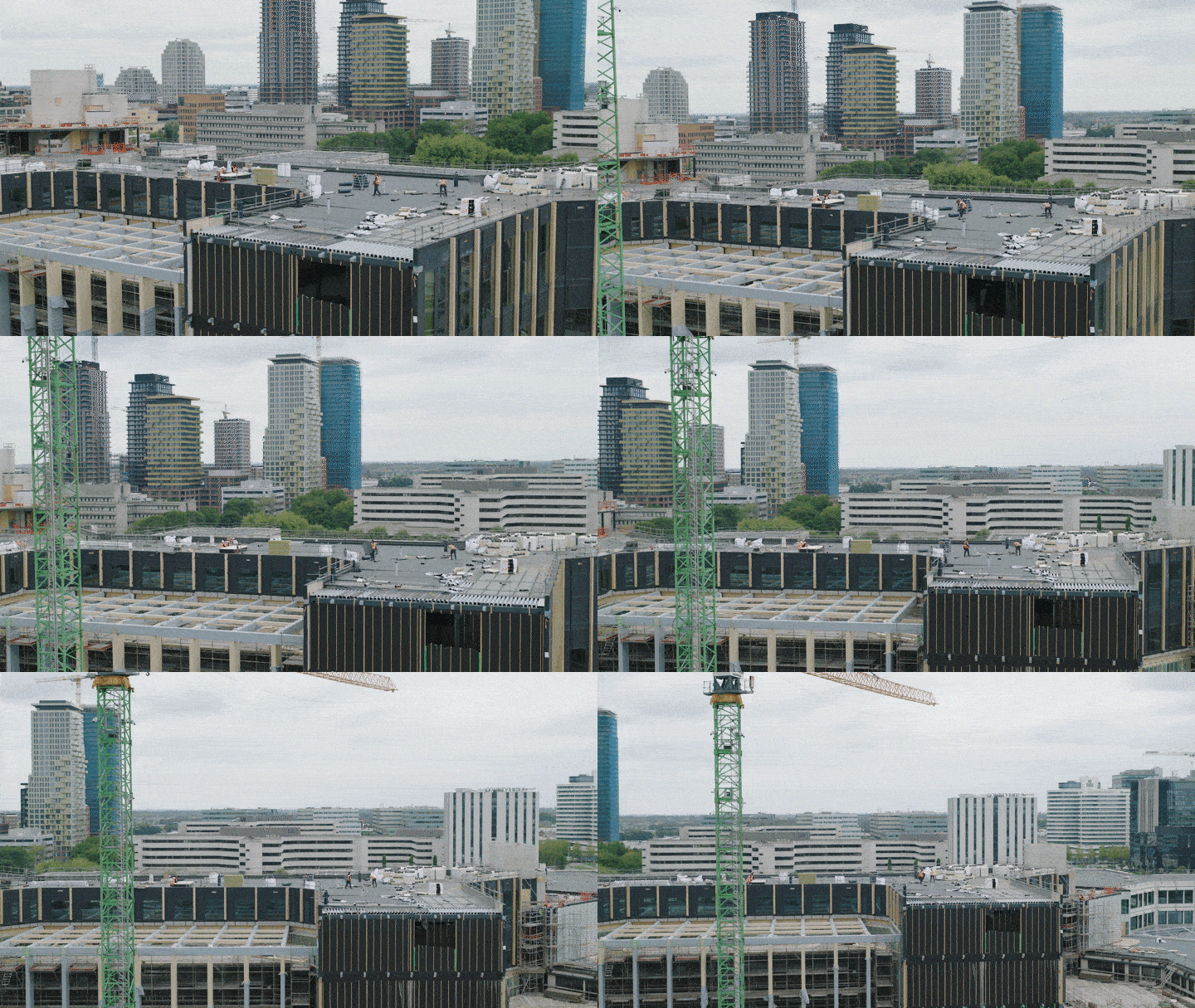
Parallax is an optical phenomenon that can be beautifully exploited with a drone. By flying sideways or in a circle close to the ground, with objects in the foreground (such as trees or rocks) and a vast background, you create a powerful 3D effect. Because the foreground moves through the frame faster than the background, it provides the viewer with a profound sense of depth and space. Without parallax, drone footage can sometimes appear flat; with it, the world feels tangible and rich. It is the key to achieving a truly professional and cinematic look.
ABN-AMRO Office – Amsterdam South-east
Hyperlapse Shot
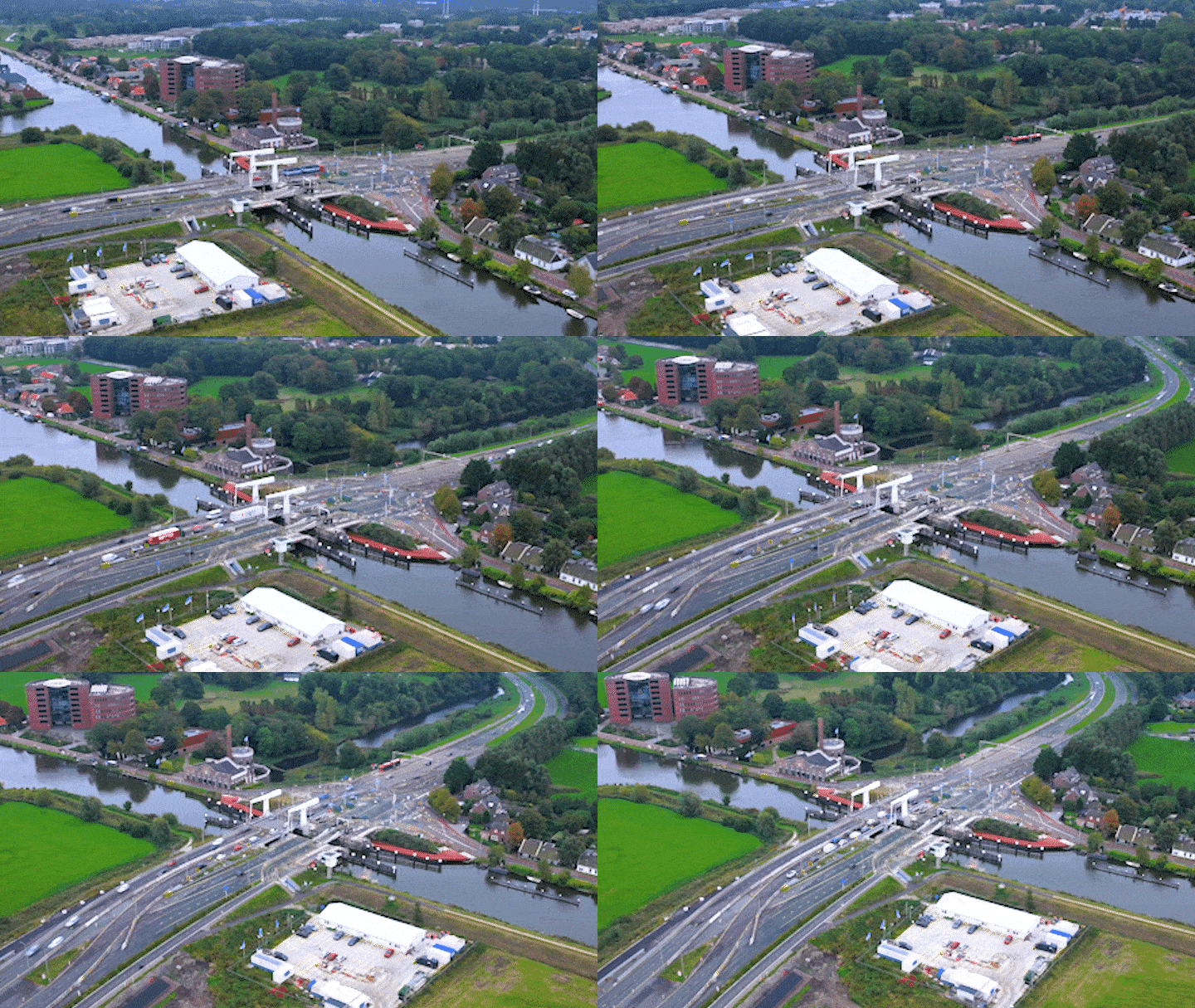
A Hyperlapse is essentially a timelapse (accelerated video), but with a moving camera. The drone flies a predetermined path at a very slow pace, taking a photo every few seconds. These photos are later stitched together into a video. The result is stunning: clouds race across the sky, shadows lengthen, and cars turn into streaks of light, all while the camera glides smoothly through space. It evokes a sense of time passing at a specific location, compressing minutes of reality into a few seconds of pure dynamism.
Cruquiusbridge – Cruquius
Tilt-down Shot
Het Tilt-down shot is een krachtige techniek waarbij de dronecamera geleidelijk van de horizon naar beneden draait. Dit shot is ideaal voor een ‘onthulling’: je begint bij een weids overzicht en eindigt bij een specifiek onderwerp recht onder de drone. Door de camera omlaag te richten, benadruk je de hoogte en breng je patronen en structuren uniek in beeld. Gebruik een lage gimbal-gevoeligheid voor een vloeiende, constante beweging die zorgt voor een professionele, cinematografische uitstraling van jouw videoproductie.
ABN-AMRO Office – Amsterdam South-east

If you are interested in capturing one or more of these shots, please feel free to get in touch. Let our professional drone operators turn your dream shots into reality!
More Academy


Ready for take off?
We are ready to take off for you.