Drones vs Mother Nature
Drones vs. Mother Nature
Flying in Extreme Weather Conditions
How do we brave the Dutch weather?
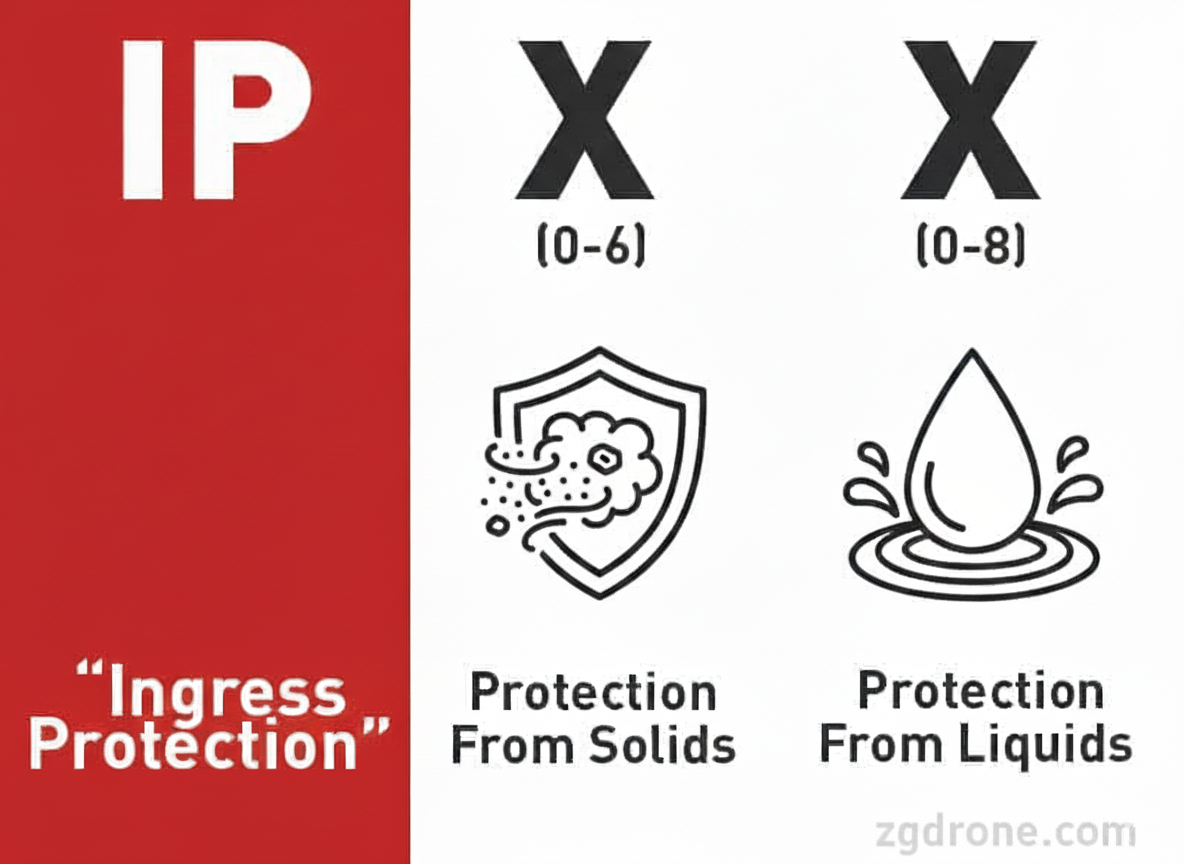
In the Netherlands, rain and wind often play a major role. Fortunately, Zero Gravity’s drones are equipped with an IP rating (Ingress Protection), an international standard that indicates the degree of protection against moisture and water. This classification varies in levels.
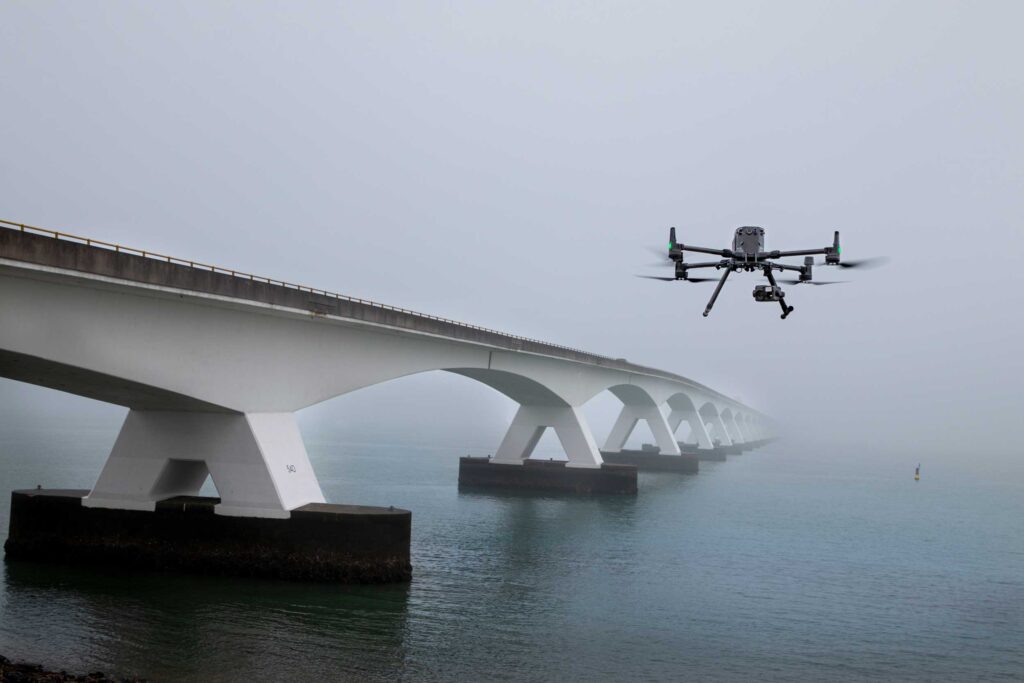
An example is the Matrice 350 RTK, a drone we frequently use for inspection work. This drone has an IP55 rating, which means it is splash-proof. Additionally, a drone’s wind resistance is of great importance. Our Matrice 300 RTK can handle wind speeds up to 13 meters per second. That equates to about 50 kilometers per hour, or 25 knots—significant, strong winds. Thanks to these properties, we can continue to fly even in challenging conditions.
Fog: an invisible challenge
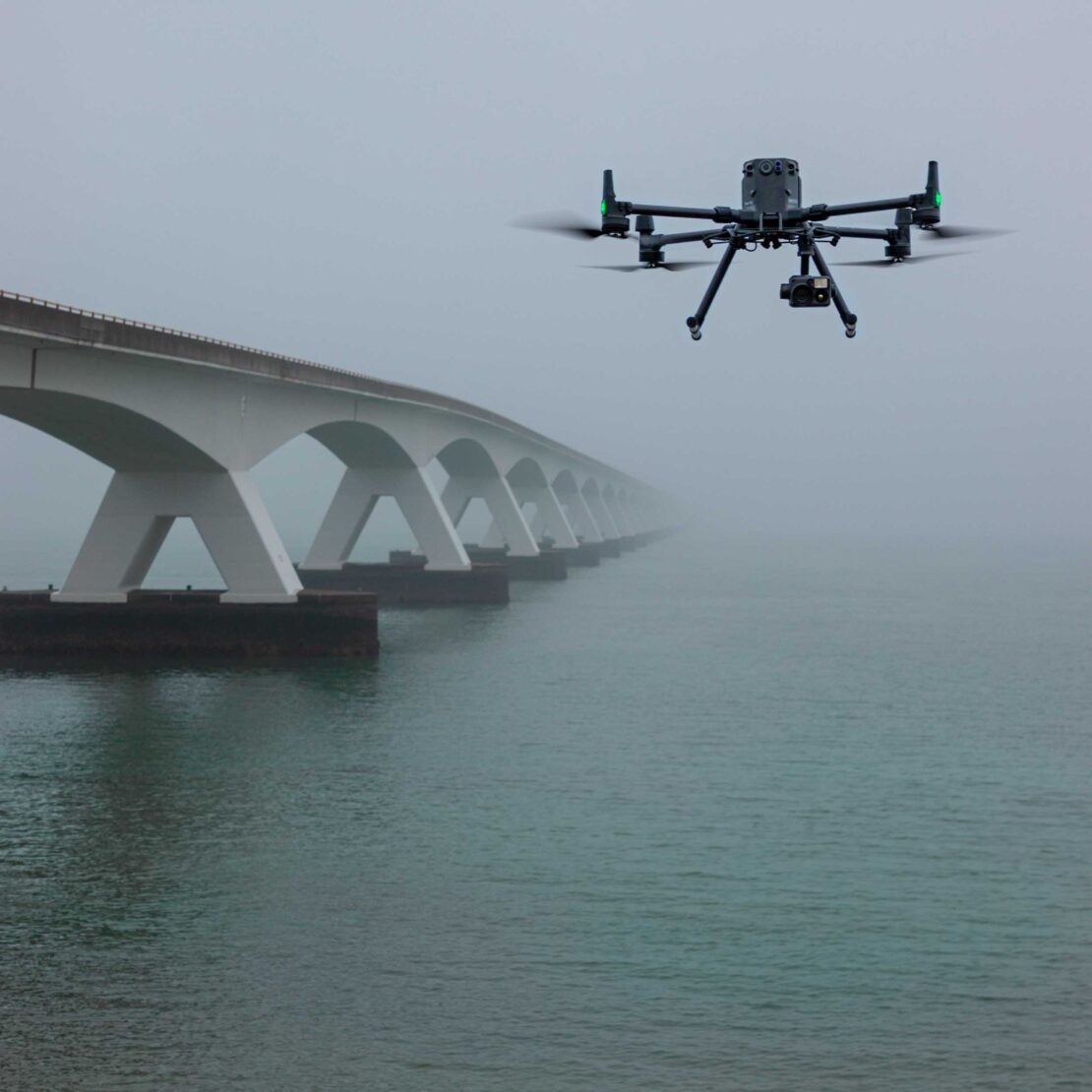
Fog presents a different challenge, especially this time of year. Water droplets in the air create a physical barrier. The greater the distance to the object being inspected, the more this barrier affects data quality. In drone inspections, it is essential that the collected data is as detailed as possible, and fog can make that difficult.
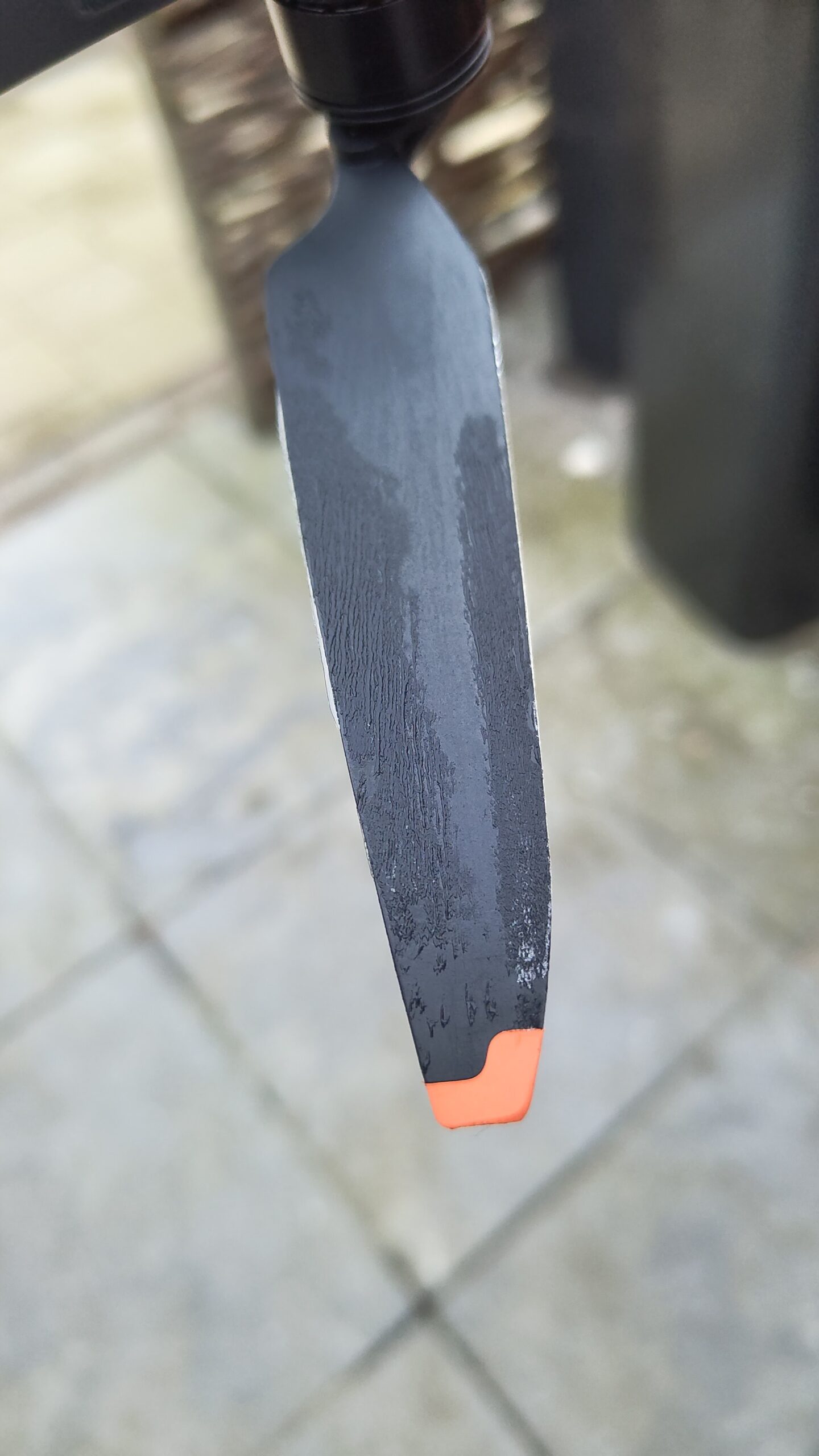
A much greater danger that can occur during the winter months is so-called icing. In temperatures below freezing combined with high humidity, ice can form—even on the propellers. This can be extremely dangerous.
This is because a drone generates its lift through its propellers, which are aerodynamically designed for maximum efficiency. Ice on the propellers alters the blade profile, compromising lift capacity. In the worst-case scenario, this can lead to an uncontrolled crash. In the past two weeks, we at Zero Gravity have observed icing on the propellers three times—a clear signal to remain alert.
Finally, there are specific legal restrictions regarding fog; for instance, drones must always remain visible to the pilot. In dense fog, this eventually becomes impossible.
Snow: a fairytale or a stumbling block?
Whether snow poses a problem depends on the type of flight. For creative visuals, snow can actually provide a stunning effect. If the temperature is low enough, snow stays on the drone without melting, allowing us to continue flying without issue.
For inspection flights, such as photogrammetry or land surveys, snow can affect data quality. It is essential that enough detail remains visible to perform accurate measurements.
Icing, however, can be a concern. If the temperature is below freezing and humidity is very high, ice can form on the drone’s wings (propellers). Treating the propellers with oil can help in these situations. If icing does occur, we receive a timely alert and bring the drone back to the ground immediately.
The GO or No-GO moment
At Zero Gravity, we are unfortunately not weather gods. That is why we constantly make a careful assessment: “Is it responsible to fly or not?”
In practice, we consult sources such as Weerplaza, Windy, and UAV Forecast. These provide detailed 24-hour weather forecasts, which we use to determine a Go or No Go. We always plan this moment a day before the job, around lunchtime. We then communicate directly with the client regarding whether the mission can proceed. To remain flexible, we standardly reserve two days for each job. If the first day is a no-go, we can quickly switch to the backup day.
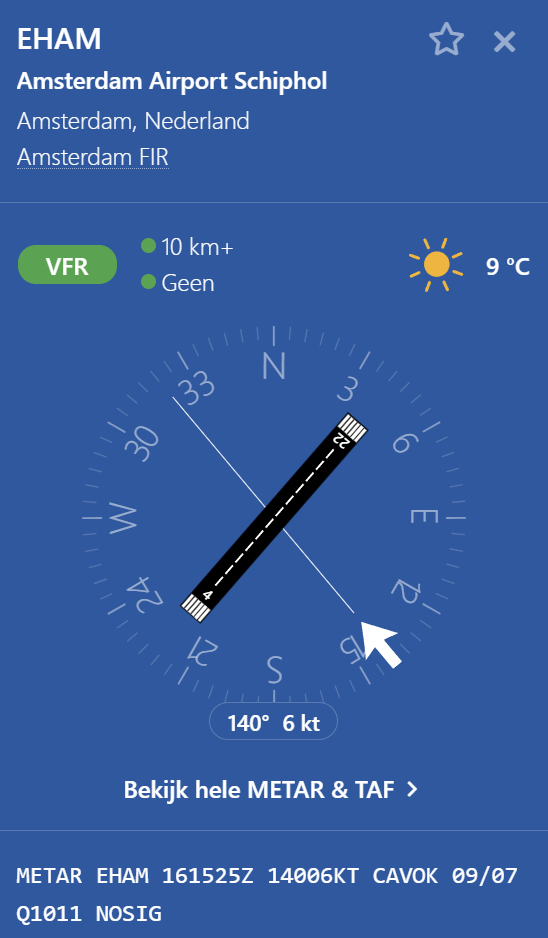
For flights in CTR zones (control zones around airports), we also utilize the METAR and TAF from the KNMI. METAR provides current information, such as visibility distances and precipitation, while TAF offers forecasts for specific time periods. This helps us remain safe and well-prepared.
Always a plan, regardless of the weather
At Zero Gravity, we ensure that our drones—thanks to their advanced technology—can continue to operate in a wide variety of weather conditions. We always carefully weigh whether a flight is responsible, with a constant focus on safety, regulations, and quality. This is how we guarantee reliable operations, even in rain, wind, fog, snow, and low temperatures.
Curious about how we can successfully support your project, regardless of the weather? Feel free to contact us!
More Academy


Ready for take off?
We are ready to take off for you.